Syensqo stops fluorosurfactant production at Italian plant
The decision completes the Belgian speciality chemicals company’s 2022 commitment to phase out fluorosurfactants by 2026.
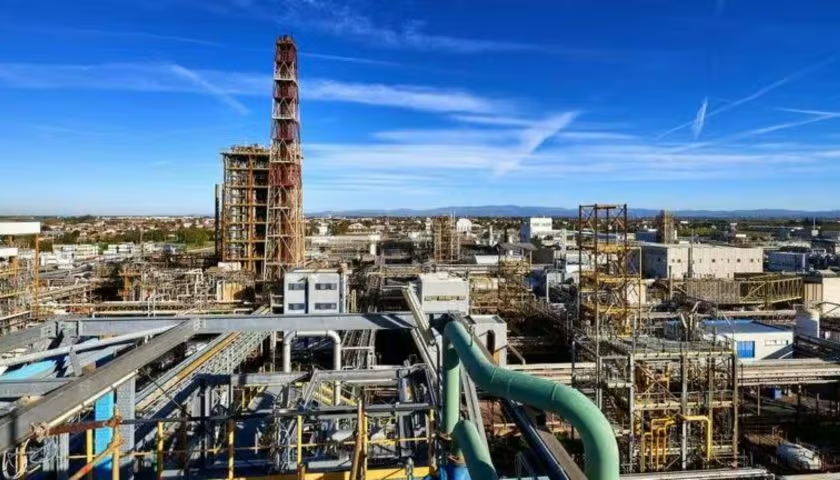
ITALY – Syensqo has ceased production of C6O4, the final fluorosurfactant used to manufacture certain fluoropolymers at its Spinetta Marengo site in Italy.
Fluorosurfactants are processing aids used in the production of some fluoropolymers and have become a focal point in wider regulatory and public debate about PFAS chemicals.
Since 2019, Syensqo has invested in research and innovation to create a new polymerisation process that removes the need for fluorosurfactants without compromising the performance and reliability customers expect.
The company has since deployed these non-fluorosurfactant technologies across its product lines, enabling it to stop manufacturing C6O4 in Italy.
Mike Radossich, CEO of Syensqo, stated, “We have developed manufacturing technologies that eliminate the need for fluorosurfactants while continuing to provide the high-performance fluoropolymers our customers rely on for critical applications including semiconductors, clean energy and healthcare.”
“Fluoropolymers remain essential materials for technologies that support the energy transition, medical innovation, clean water and digital infrastructure.”
Nearly 100% of Syensqo’s fluoropolymers are now produced without these PFAS-based processing aids.
However, approximately 1% of the site’s production volume consists of highly specialised fluoropolymers, mainly used in hydrogen and semiconductor applications, that still require further research and qualification before they can move to the new technology.
Until those transitions are complete, Syensqo will use its existing C6O4 inventories to manufacture these materials, applying what it describes as the best available technology for reducing emissions.
In parallel, Syensqo has made PFAS-free alternatives available across its entire fluorosurfactant portfolio.
These replacements are intended to preserve the performance attributes formulators depend on, including lowering surface tension, improving substrate wetting, and supporting levelling, functions that are particularly important in waterborne coatings and other industrial systems.
According to the company, the alternatives have been validated across applications such as waterborne industrial coatings, agricultural formulations, and other specialty uses.
The end of C6O4 production and the wider portfolio transition reflect Syensqo’s strategy to reduce manufacturing emissions, respond to evolving PFAS regulations, and provide science-based solutions for customers.
The company says it is prepared to help customers meet their own compliance requirements as PFAS restrictions continue to develop around the world.
Sign up to receive our email newsletters with the latest news updates and insights from Africa and the World HERE.