UK proposes strict safeguards on cosmetic procedures in England
The legislation is currently expected to be introduced in spring 2027.
UK – The UK government has announced proposed new regulations designed to prevent unqualified practitioners from carrying out cosmetic procedures in England.
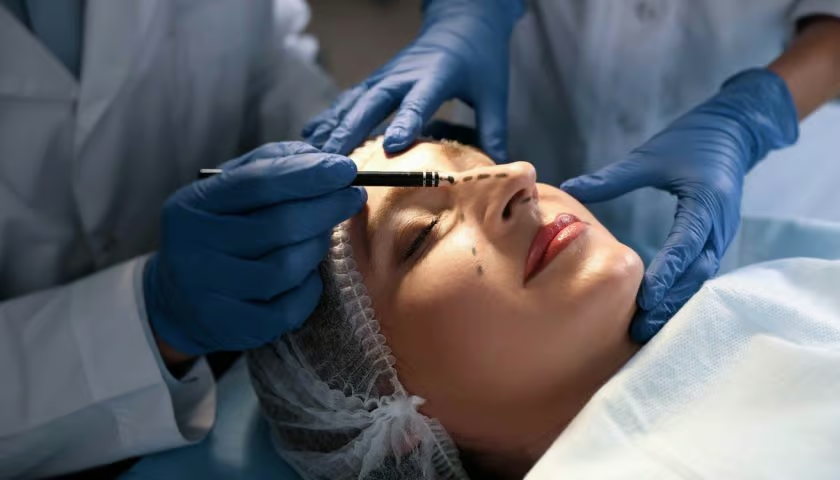
The measures form part of a crackdown on so-called “cosmetic cowboys” and would restrict high-risk treatments to qualified, regulated healthcare professionals, while also introducing broader licensing rules for lower-risk procedures such as Botox and dermal fillers.
The proposals target high-risk procedures including chemical peels, vampire facials, and liquid Brazilian butt lifts (BBLs).
These treatments would also be banned for individuals under the age of 18. Breaching the proposed regulations would be a criminal offence, with some violations subject to unlimited fines or fixed penalties of up to £4,000 (USD 5,348)
“We want to drive cosmetic cowboys out of the market and raise standards across the board, giving reputable businesses a fair chance to thrive by helping people identify safe, qualified providers they can trust,” said UK Health Minister Karin Smyth.
The term “cosmetic cowboys” describes unregulated or improperly trained operators who perform high-risk cosmetic procedures without meeting required hygiene standards, medical qualifications, or licensing requirements.
According to the UK government, the growing overlap between surgical and non-surgical cosmetic procedures has created a dangerous loophole, allowing poorly qualified practitioners to perform high-risk treatments in unregulated settings such as hotel rooms.
The government warned that rogue providers attempting to evade the proposed rules could face prosecution under new criminal offences.
Under the proposed framework, only qualified, trained, and regulated professionals would be allowed to perform the highest-risk cosmetic procedures.
Fillers injected into areas of the body other than the face, including liquid BBLs, would be legally classified as cosmetic surgical procedures and could therefore be performed only by doctors.
High-risk non-surgical and wellbeing treatments, including deep chemical peels, vampire facials, dermal micro-coring, and certain laser procedures, would be limited to doctors, dentists, and specific nurses, midwives, and pharmacists who are qualified independent prescribers.
Existing regulations leave notable gaps around who can perform certain high-risk non-surgical treatments, particularly when they are carried out by non-healthcare practitioners.
In addition to reducing health risks, the proposed rules aim to reassure consumers about treatment safety and protect young people from potentially dangerous procedures. Cosmetic fillers for under-18s are already restricted in England under separate legislation introduced in 2021.
In 2025, the country also banned remote prescriptions for non-surgical cosmetic treatments, including fillers and Botox.
Alongside the restrictions on high-risk procedures, the government said it remains committed to introducing a licensing scheme for lower-risk treatments, including botulinum toxin products, lip fillers, and other aesthetic procedures.
The scheme is intended to enforce strict safety standards and bring an end to unregulated “backyard Botox clinics.”
The proposals come amid growing consumer demand for clearer safety information and stronger regulatory oversight of aesthetic treatments in the UK. Last week, Superdrug found that most UK consumers believe the government or professional medical bodies should be responsible for oversight.
The UK government is launching a consultation to seek views from clinicians, regulators, businesses, the public, and other experts on the draft regulations before they move through the Parliamentary process.
In a parallel development, members of the Scottish Parliament unanimously backed the general principles of a bill restricting non-surgical cosmetic procedures, including Botox and non-surgical BBLs, earlier this year.
The bill was introduced in response to industry and consumer concerns about the safety of young people in Scotland amid an increase in botched procedures and was passed in March.
Sign up to receive our email newsletters with the latest news updates and insights from Africa and the World HERE.