Behind the Label: The Manufacturing Revolution Reshaping MEA’s Beauty Aisles
Walk through any modern supermarket or retailer store in Riyadh, Nairobi, Johannesburg, or Cairo today, and you’ll notice something striking: shelves once dominated by global brands are increasingly filled with retailer-owned labels and locally produced products.
From new skincare serums bottled under brands that didn’t exist six months ago to detergent formulas optimized for hard water and packaged under supermarket labels, these developments are transforming how goods reach consumers and who controls the supply chain.
Across the Middle East and Africa (MEA), the home and personal care sector is undergoing a structural shift. With economic diversification, changing consumer demands, sustainability goals, cost-cutting measures, and strategic investments, brands are increasingly outsourcing production. However, what remains less clear is: what is driving the growth of private label and contract manufacturing within this outsourcing trend?
The Contract Manufacturing Edge
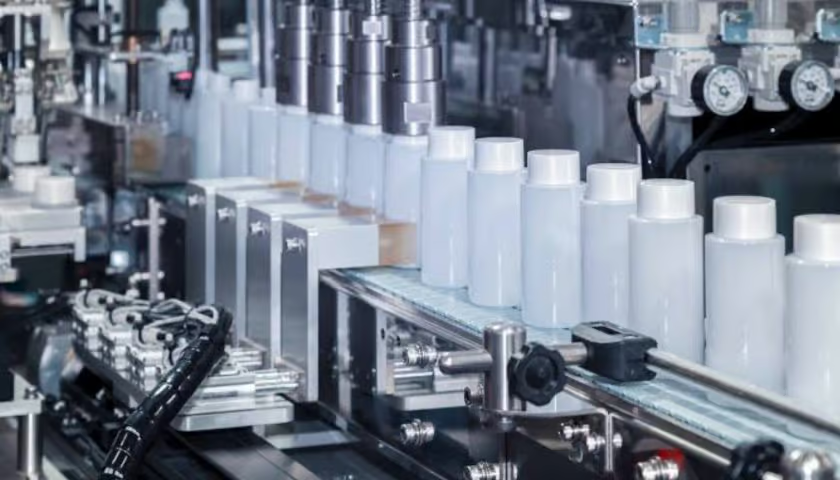
As consumer demand for both new and established brands increases, contract manufacturing is becoming the preferred strategy for brand owners. This allows brands to focus on core activities such as marketing, distribution, and innovation while leveraging contract manufacturers’ expertise, infrastructure, and regulatory compliance capabilities.
Instead of starting their own manufacturing plant, brands can now benefit from research and development, regulatory filings, and packaging under one roof, freeing them to invest in marketing rather than fixed assets. They are also able to access specialized formulation expertise and scale production without infrastructure burden.
In the MEA region, markets such as the UAE and Saudi Arabia are attracting more key contract manufacturers like Zahra Parfums (UAE), Kimberly-Clark, Intercos Group, Clarion Cosmetics, Unilever, L’Oreal, Albea Group, and Procter & Gamble, which are responding to the growing consumer demand for innovative, sustainable, and affordable personal and home care solutions.
The Private Label Boom
While contract manufacturing provides the infrastructure, growth in private labels reflects a shift in consumer demand. Today, consumers are becoming more value-conscious and seek high-quality products at affordable prices. For this reason, Grand View Research says private label cosmetics are often priced lower than their branded equivalents, offering an attractive alternative without sacrificing quality.
In the UAE, where private-label skincare manufacturers are expanding, this trend becomes more evident. Among these manufacturers are ODEUR Lab, which specialises in premium private-label perfume manufacturing for fashion designers, celebrities, and entrepreneurs; and Beauty Leaders L.L.C., which offers facial and body care products, aromatherapy items, professional equipment, and consumables.
The Halal Beauty Renaissance
Long before modern cosmetics emerged, Middle Eastern societies used natural oils, botanical extracts, mineral-rich clays, and fragrant waters for beauty and wellness. Ingredients such as argan oil, olive oil, rose water, oud, musk, and kohl have been essential to beauty rituals for centuries, shaping contemporary trends.
Halal certification now serves as a trusted indicator of product safety and ethical production, appealing to consumers who prioritize clean and transparent beauty. This rising demand creates significant opportunities for market growth beyond traditional Muslim audiences.
Forecasting the Boom
Given the growth trajectory, Mordor Intelligence estimates that the MEA beauty and personal care products market size was USD 31.11 billion in 2025 and is projected to grow to USD 32.77 billion in 2026, eventually reaching USD 42.5 billion by 2031, representing a steady 5.34% CAGR over 2026-2031.
Similarly, the Data Bridge Market Research report on the contract manufacturing sector indicates it was valued at USD 2.29 billion in 2024 and is forecast to reach USD 3.71 billion by 2032, growing at a 6.3% CAGR. Meanwhile, the private-label cosmetics segment is expanding even more swiftly, expected to grow from USD 694.53 million to USD 1.28 billion by 2033.
Furthermore, another report from Intermarket Research indicates that the global halal cosmetics market was valued at USD 16.93 billion in 2024 and is projected to grow to USD 18.23 billion in 2025, ultimately reaching USD 28.08 billion by 2032, with a CAGR of 7.7% over the forecast period.
Catalysts of Change
These trends are not merely about reducing costs; rather, they have become vital for survival in a rapidly changing market. As consumer awareness of hygiene and grooming continues to increase, brands and retailers are increasingly turning to outsourcing to reduce the risk of overstocking in unpredictable economic conditions.
The post-COVID-19 pandemic has altered consumer expectations, leading to a greater focus on hygiene and increased demand for personal and home care products. Additionally, many venture-funded cosmetic brands that emerged during the e-commerce boom are now discovering that outsourcing is more efficient than maintaining their own production lines.
Moreover, the burgeoning youth demographic, coupled with rising disposable incomes and rapid urbanization, is expected to further boost demand for diverse and innovative offerings in these categories.
Navigating the Hurdles
Despite strong growth, regulatory fragmentation across MEA countries adds significant complexity, as registration timelines and costs vary widely across jurisdictions. These strict regulatory environments often require personal care products to comply with region- and product-category-specific quality and safety standards.
Moreover, volatility in the prices of natural oils, botanical extracts, and other raw materials can significantly affect production costs and profit margins. Additionally, the rise of private-label brands has intensified competition, compelling contract manufacturers to innovate continuously and maintain cost efficiencies.
The Outlook Ahead
The convergence of consumer demand, retail evolution, and manufacturing capabilities propels MEA into a transformative decade. In this landscape, contract manufacturing and private-label growth have become interconnected forces that are reshaping the competitive environment. Global beauty trends continue to influence the private-label cosmetics industry; brands can now tailor products for diverse markets based on regional preferences and cultural nuances.
Unlike traditional giant brands, private labels are gaining popularity with contract manufacturers, now offering flexibility to tailor product formulations, packaging, and design to their unique brand identity and target audience preferences. Moreover, these strategic partnerships with established contract manufacturers provide brands with invaluable regulatory expertise, quality assurance, and scalability.
Meanwhile, for retailers, private-label products both increase profit margins and provide an opportunity to stand out. By leveraging data analytics, retailers can also refine product selections to better match customer expectations and preferences. This approach not only appeals to budget-conscious shoppers but also fosters brand loyalty by offering personalized shopping experiences at competitive prices.
Sign up to receive our email newsletters with the latest news updates and insights from Africa and the World HERE.