Honeywell to provide technology for GPIC packaging feedstock complex
Using Honeywell UOP’s Naphtha Hydrotreating, CCR Platforming, and LDPX Aromatics Complex technologies, the facility will make about 1.2M metric tons of paraxylene and 500,000 metric tons of benzene yearly.
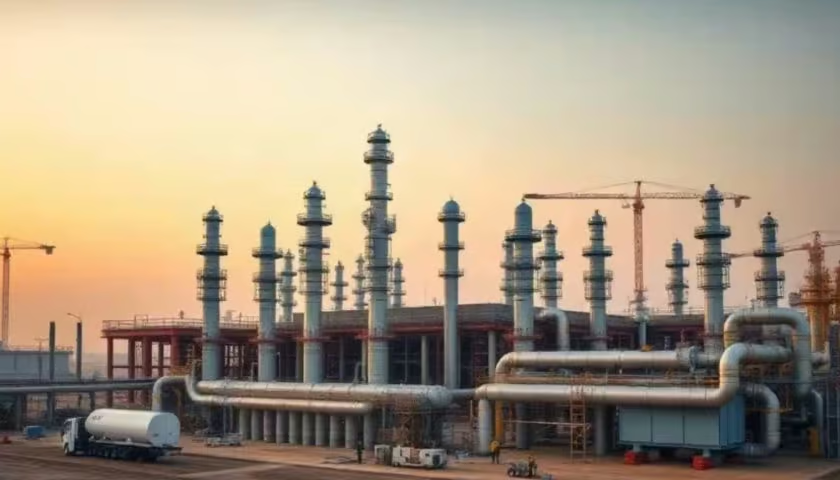
BAHRAIN – Honeywell Technologies has been selected by Gulf Petrochemical Industries Company to provide licensing and engineering services for a new aromatics complex at Sitra, producing key chemical building blocks essential for PET packaging and plastics manufacturing.
The facility will produce approximately 1.2 million metric tons of paraxylene and 500,000 metric tons of benzene annually using Honeywell UOP’s Naphtha Hydrotreating, CCR Platforming and LDPX Aromatics Complex technologies.
Paraxylene is the primary feedstock for purified terephthalic acid, which produces PET resin used extensively in beverage bottles, food containers and flexible packaging films. Benzene feeds into polymers used across packaging and industrial applications.
The output volumes position the Sitra complex as a significant supplier of raw materials to converters and brand owners across the Gulf and beyond.
Leadership Cites Downstream Market Demand
Yasser A. Rahim Alabbasi, chief executive officer of GPIC, said collaborating with Honeywell UOP on the aromatics complex meant investing in technologies that would strengthen production capabilities and support long-term industrial growth.
He noted the project would enable the company to meet evolving market demand for essential petrochemical products.
Mohamed Sami, general manager for Saudi Arabia and Bahrain at Honeywell Technologies, said GPIC’s selection reflected confidence in the company’s technologies and execution capabilities, adding that the project would support efficient production of high-value petrochemical products while strengthening Bahrain’s industrial base.
Integrated Site Reduces Construction Timeline
Honeywell UOP will provide licensing, engineering and associated services, along with catalysts, adsorbents and equipment.
The complex will be developed at GPIC’s existing industrial facility, allowing integration with established utilities, logistics and site services.
Co-locating new process units within an operating petrochemical site typically reduces construction timelines and capital requirements compared with greenfield development, while allowing shared infrastructure for steam, power and waste treatment that packaging feedstock production requires.
Relationship Extends Beyond Aromatics
Honeywell and GPIC have collaborated previously on pressure swing adsorption technology, adsorbents and process automation at GPIC’s ammonia and methanol facilities.
The aromatics project builds on this foundation and supports GPIC’s long-term growth objectives.
For regional packaging converters, expanded domestic paraxylene and benzene capacity could reduce reliance on imported feedstock, shorten supply chains and improve cost predictability for PET bottle and film producers.
Bahrain’s position as a Gulf petrochemical hub, with established shipping links to Asian and European markets, makes the complex commercially significant for packaging supply chains that depend on consistent access to polymer precursors.
Sign up to receive our email newsletters with the latest news updates and insights from Africa and the World HERE.