BASF increases Evonik takeover offer to over USD 12.2B
The improved proposal represents a premium of around 38% over Evonik’s share price before takeover speculation began in September.
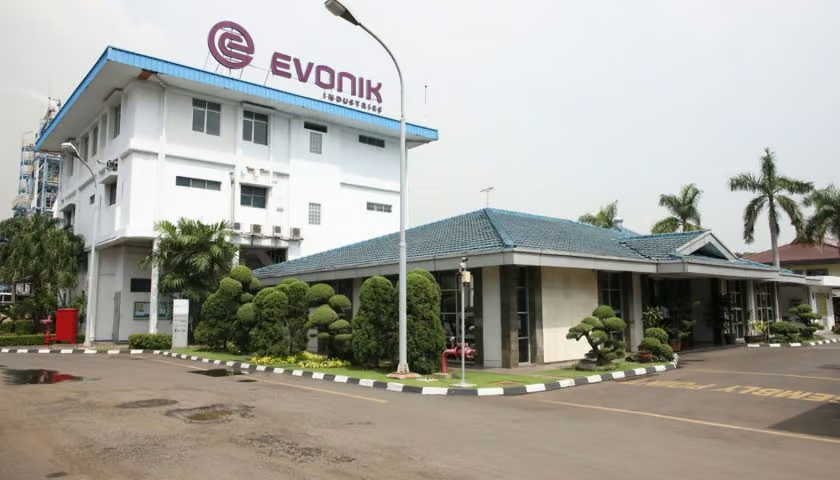
GERMANY – BASF is reported to have increased its proposed acquisition of Evonik to more than €11 billion (USD 12.23 billion), equivalent to roughly €24 (USD 26.83) per share.
The German chemicals company had previously offered about €22.15 (USD 25.16) per share, which placed Evonik’s equity value at €10.3 billion (USD 11.7 billion); that earlier proposal was reportedly rejected as insufficient.
Investors anticipated an offer above €24, with €24.50 (USD 27.40) potentially required to bring Evonik into negotiations.
The advisory firm also suggested that a final agreed transaction could settle near €25 (USD 27.96), depending on what concessions BASF ultimately makes.
That is an increase from the roughly 29% premium implied by BASF’s initial bid, which the Financial Times described at the time as “sizable.”
BASF has reportedly promised to safeguard Evonik employees’ jobs and preserve its production facilities.
This includes honoring Evonik’s existing employment protections through 2032. Sources also indicated that Evonik’s Essen headquarters would continue to serve as an important location within any combined business.
Following the reports, Evonik shares initially climbed 5.2% on the Frankfurt Stock Exchange on Friday.
The gain later narrowed to 2.6%, leaving the stock at €21.24 (USD 23.75) and valuing the company at approximately €10 billion (USD 11.12 billion).
The potential transaction is expected to depend heavily on RAG-Stiftung, Evonik’s largest shareholder.
The foundation controls approximately 44% of Evonik’s shares, meaning a complete integration cannot proceed without its consent.
BASF has previously acknowledged that it is holding exploratory discussions with both RAG-Stiftung and Evonik regarding a possible takeover.
The company has said the conversations remain open but has declined to discuss pricing.
Both BASF and Evonik are important suppliers to the beauty industry. Their businesses overlap in skin-care active ingredients and sustainable formulation ingredients, and they frequently compete for the same customers.
A merger would therefore bring two major upstream beauty-ingredient suppliers together.
Meanwhile, Europe’s chemicals industry is contending with soft demand and worldwide overcapacity, contributing to factory closures, job losses, bankruptcies, and asset disposals across the sector.
BASF’s group revenue last year reached €59.7 billion (USD 68.9 billion), nearly matching the chemicals-segment revenue of China’s Sinopec.
This underscores the risk that BASF could lose its long-standing position as the world’s largest chemicals company by revenue to the Chinese state-owned oil and petrochemicals group.
Evonik, meanwhile, has also faced sluggish economic conditions and stronger international competition. It is currently implementing a cost-reduction and restructuring program.
In June, Evonik said it would eliminate 3,200 jobs worldwide between 2027 and 2029 as it broadened a cost-saving program originally scheduled to finish next year.
These reductions come in addition to roughly 2,800 roles the company had already said would be cut between October 2023 and the end of 2026.
The scale of these measures reflects the pressure confronting both companies as they consider a potential deal.
Sign up to receive our email newsletters with the latest news updates and insights from Africa and the World HERE.