BASF calls off USD 12.1B takeover bid for Evonik
According to BASF, its decision to stop pursuing the deal reflected its commitment to disciplined capital allocation and attractive shareholder returns under its “Winning Ways” strategy.
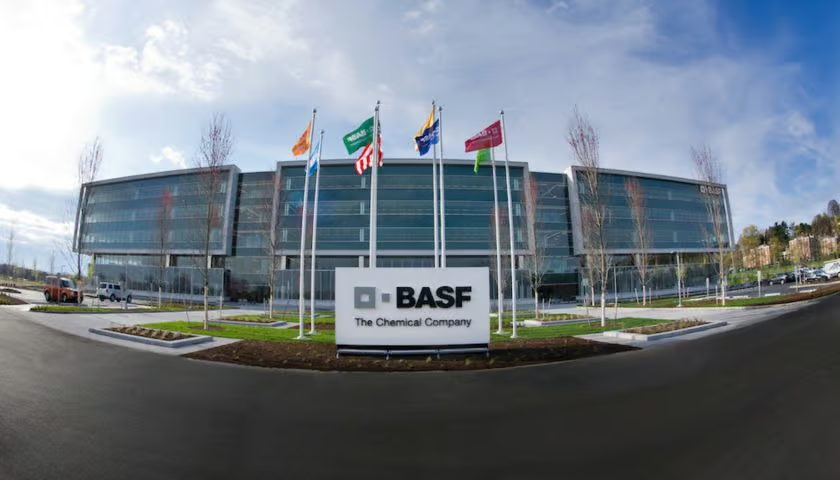
GERMANY – BASF has formally abandoned its attempt to acquire Evonik, Germany’s second-largest specialty chemicals producer, after Evonik’s management rejected two non-binding all-cash proposals.
The company said it would not raise its final offer of EUR 24 (USD 26.35) per share, valuing Evonik at more than EUR 11 billion (USD 12.07 billion), because it did not believe a higher price would serve BASF shareholders.
The Ludwigshafen-based chemicals group said that, although it had been prepared to consider a moderate further increase in its bid, Evonik’s Executive Board had not engaged in meaningful discussions.
BASF also concluded that Evonik’s standalone prospects and the risks attached to them did not justify a higher valuation.
In its official statement, BASF said: “Before this background, BASF is of the opinion that it would not be in the best interest of its shareholders to pursue the transaction at a higher price.”
The company therefore ended the pursuit rather than pay more than it considered economically justified.
Following the announcement, Evonik shares dropped by as much as 23%, briefly falling back to around EUR 18 per share, the approximate level at which they had traded before BASF’s takeover interest became public.
By contrast, BASF shares gained as much as 2.9%, reflecting investor relief that the company did not pursue a more expensive deal.
The withdrawal occurred amid firm opposition from North Rhine-Westphalia’s state government.
State Premier Hendrik Wüst publicly opposed the proposed acquisition, saying he wanted “this industrial core to remain here in North Rhine-Westphalia,” and highlighted Evonik’s roughly 11,000 employees in the state.
Evonik’s management had consistently stressed its intention to remain independent. In late October, it said that, based on the information then available, it was not in takeover talks with BASF and that its board remained focused on the company’s strategy as a standalone business.
Despite ending the approach, BASF CEO Markus Kamieth maintained that the proposed combination would have created value.
He said BASF’s “derisked” all-cash offer of EUR 24 per share would have delivered “significant additional value” for Evonik shareholders.
Kamieth also reiterated that BASF believed a combination under its ownership would have produced a stronger, more capable chemicals company, with potential benefits for shareholders as well as employees and customers of the merged business.
He had previously argued that the two companies’ portfolios and strengths were highly complementary and could support a more competitive and resilient global player.
Sign up to receive our email newsletters with the latest news updates and insights from Africa and the World HERE.