Morocco’s beauty exports to EU jump 77% in H1 2FY26
Morocco is increasingly moving beyond supplying raw ingredients to producing finished, consumer-ready cosmetics.
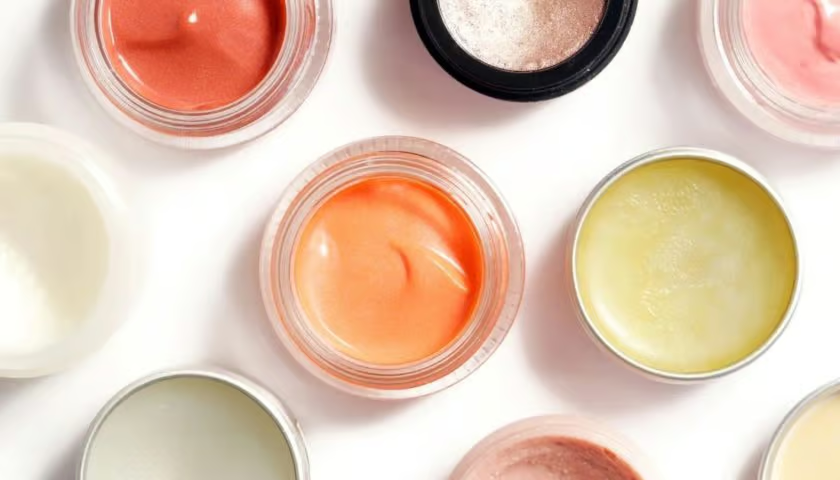
MOROCCO – According to Eurostat, Moroccan skin care and makeup exports to the EU rose by 77% in the first half of 2026, while hair care exports tripled compared with the same period last year.
Although Morocco has traditionally been recognized for ingredients such as argan oil and rhassoul, it is now developing a stronger presence in complete beauty products, supported by expanding manufacturing capabilities and end-to-end production.
The recent growth follows a sustained upward trend: between 2021 and 2025, Moroccan perfume exports to the EU increased by 68%, while hair product exports rose by 122%.
In 2025, Morocco earned €83.7 million (USD 92 million) from EU exports across 10 beauty categories, compared with €77 million (USD 84.8 million) in 2021.
Essential oils, argan oil, and plant extracts represented approximately €68 million (US$75 million) of Morocco’s €83.7 million in EU exports in 2025, with essential oils leading the country’s export list.
Morocco’s exports to the EU are about six times larger than its exports to the United States. Within the EU, France is the largest importer, accounting for 59% of purchases and €49.8 million (USD 54.8 million) in 2025.
France primarily imports ingredients, while finished products mainly enter the EU through the Netherlands and Belgium.
Carmel Cosmetics Labs compiled the Eurostat data into a Moroccan exports report, which highlights the overall growth in Morocco’s EU exports and the changing demand across beauty categories.
El Hjouji, founder and CEO of Agadir-based cosmetics manufacturer Carmel Cosmetics Labs, identifies three main drivers behind Morocco’s growing exports.
First, Moroccan manufacturers are investing in good manufacturing practices under ISO 22716 and in the documentation required by the EU Cosmetics Regulation.
Second, European brands are seeking production closer to home, a relationship strengthened by Morocco’s geographic proximity, compatible legislative and regulatory frameworks, and a workforce that operates in French, English, Spanish, and Arabic.
Third, established consumer demand for Moroccan ingredients remains strong, particularly for argan, prickly pear seed oil, and rhassoul. Innova Market Insights data also shows that personal care launches featuring plant-based ingredients grew at a 9% compound annual growth rate between June 2021 and July 2026, with ingredients such as argan oil playing an increasingly important role in product innovation.
Moroccan manufacturers are also helping to address flexibility and traceability gaps in the European beauty market.
To sustain this momentum, Morocco’s personal care industry will need to expand in four key areas: developing brands and products, building regulatory expertise across export markets, strengthening the domestic packaging and raw-material supply chain, and training formulators and quality professionals.
Major ingredient suppliers are also taking notice of Morocco’s emergence as a regional beauty player. Givaudan recently opened a fragrance development hub in Casablanca to strengthen its Fragrance & Beauty presence across South Asia, the Middle East, and Africa.
The hub includes local fragrance development capabilities and a dedicated commercial team serving customers in the Maghreb and West Africa.
Sign up to receive our email newsletters with the latest news updates and insights from Africa and the World HERE.