Vessel receives USD 5M grant to curb beauty industry inventory destruction
Vessel’s donation model is designed to address financial concerns by redirecting budgets that brands would otherwise spend on destruction, and the company guarantees that donation costs less.
CANADA – Vessel, an AI-native OS for private fund managers, has publicly launched after operating quietly behind the scenes, introducing an infrastructure platform that helps beauty brands donate excess inventory instead of sending it to landfills or incineration.
Vessel raised USD 5 million in seed funding, led by Heritage Group Ventures, with participation from Flex Capital, Ford Street Ventures, and I2BF Global Ventures.
The company’s advisors include leaders from the beauty, consumer health, and logistics sectors, including representatives connected to Revlon, Kenvue, and Ryder System.
Vessel recognizes that donating inventory at scale has traditionally been difficult. Brands have had to vet recipients, arrange freight, document every delivery, and ensure that products do not re-enter resale channels.
By contrast, destruction typically requires only one vendor, one invoice, and one certificate.
To overcome these barriers, Vessel has developed an AI-powered service designed to make large-scale donation logistically practical, secure, and economically viable.
Teddy Raskin, co-founder and CEO of Vessel, said, “The world’s leading brands have always wanted to do more with their excess inventory, but until now, donating at scale hasn’t been a secure, practical, or economically viable option.”
Vessel’s GoodOS technology evaluates more than 550,000 nonprofits using over 160 million data points to identify the most suitable matches between beauty brands and donation organizations.
Organizations receive Vessel Certified status only after passing an expert human review process.
The company also manages freight booking and shipment tracking, while maintaining the records that a brand’s finance and sustainability teams may require.
The services-as-software start-up has already facilitated more than USD 83 million in product donations from companies including Groupe L’Occitane subsidiary Sol de Janeiro and Estée Lauder Companies’ Smashbox.
These donations are reported to have reached more than 5.5 million consumers and prevented over 2,000 tons of products from being landfilled or incinerated.
Vessel’s public debut comes at a time when the personal care industry is seeking new ways to meet sustainability expectations.
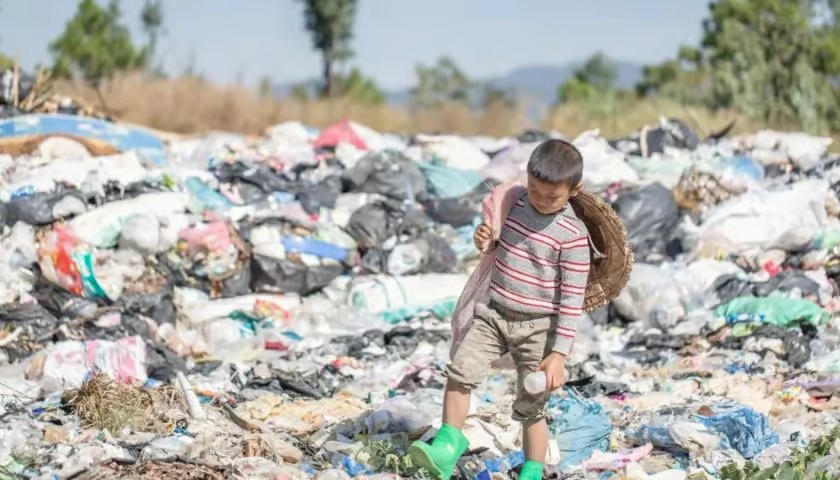
Waste reduction has become an increasingly urgent issue, with global municipal solid waste generation projected to rise from 2.1 billion tons in 2023 to 3.8 billion metric tons by 2050, according to the United Nations Environment Programme’s Global Waste Management Outlook.
The company estimates that beauty brands waste approximately USD 163 billion worth of surplus inventory every year.
In many cases, brands also pay to destroy excess stock because, historically, destruction has been viewed as cheaper, simpler, and safer than donation.
Sign up to receive our email newsletters with the latest news updates and insights from Africa and the World HERE.